
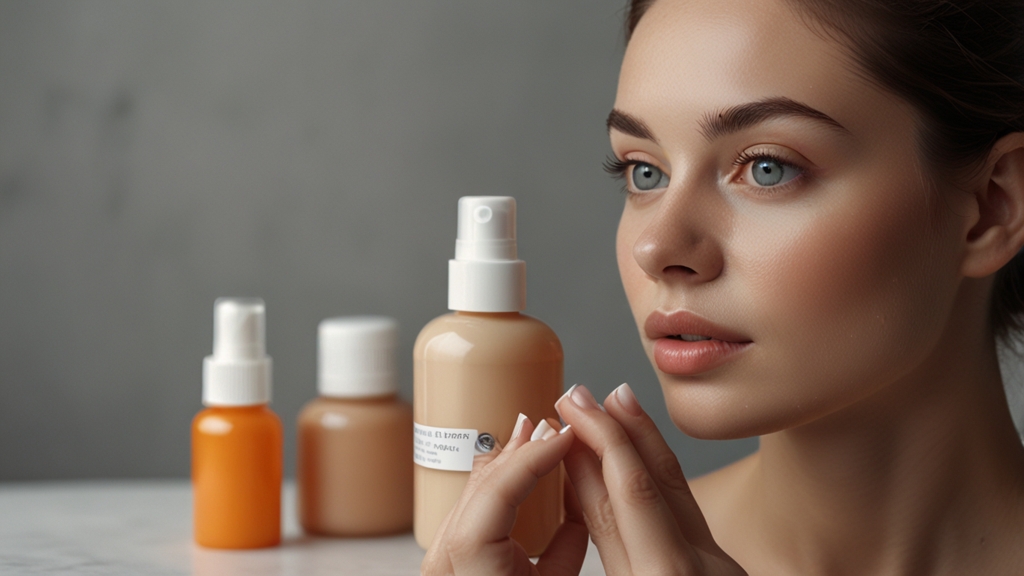
Best Herbs for Skin Health and Beauty: Nature’s Secret to Radiant Skin
When it comes to achieving healthy, glowing skin, many of us search for expensive creams and trendy treatments. However, nature has already provided us with powerful remedies in the form of herbs. These natural ingredients have been used for centuries in traditional medicine and skincare practices across various cultures. Whether you’re dealing with acne, aging skin, inflammation, or simply want to maintain that youthful glow, incorporating herbs into your skincare routine can work wonders. Let’s explore some of the most effective herbs that can transform your skin from the inside out.
Turmeric: The Golden Healer
Turmeric has earned its reputation as a skincare superstar, and for good reason. This vibrant golden herb contains curcumin, a powerful compound with potent anti-inflammatory and antioxidant properties. When applied topically or consumed internally, turmeric can help reduce redness, calm irritated skin, and even fade acne scars over time.
For best results, you can create a simple turmeric face mask by mixing turmeric powder with raw honey and a touch of coconut oil. Apply this paste to your face for 15-20 minutes, then rinse with warm water. Use this treatment 2-3 times per week for visible improvements. The beauty of turmeric is that it works for all skin types and can be particularly beneficial for those with sensitive or acne-prone skin.
Green Tea: The Antioxidant Powerhouse
Green tea isn’t just wonderful as a beverage; it’s also an excellent addition to your skincare arsenal. Rich in polyphenols and catechins, green tea provides exceptional antioxidant protection that helps combat free radicals and environmental damage. This herb is particularly beneficial for aging skin and can help reduce the appearance of fine lines and wrinkles.
Beyond topical applications, drinking green tea daily can provide internal benefits for your skin. The antioxidants work from within to promote collagen production and improve skin elasticity. For a direct skincare application, brew a cup of green tea, let it cool, and use it as a toner or incorporate it into a hydrating face mask. You’ll notice improved skin clarity and a more radiant complexion within a few weeks.
Chamomile: The Calming Solution
If you have sensitive, irritated, or inflamed skin, chamomile is your new best friend. This gentle herb has been used in skincare for generations due to its soothing and anti-inflammatory properties. Chamomile helps calm rosacea, reduce redness, and provide relief to irritated skin conditions.
Brewing chamomile tea and using the cooled liquid as a facial rinse or compress is one of the easiest ways to benefit from this herb. You can also add chamomile-infused water to your moisturizer or use chamomile essential oil (diluted properly) in your skincare routine. The gentle nature of chamomile makes it suitable for even the most sensitive skin types.
Rosemary: The Anti-Aging Herb
Rosemary is far more than just a culinary herb—it’s a skincare ingredient with impressive anti-aging properties. This herb stimulates blood circulation, which promotes a healthy glow and encourages cellular renewal. Rosemary also has antimicrobial properties, making it beneficial for acne-prone skin while simultaneously addressing signs of aging.
Infuse rosemary in oil or water to create a potent skincare treatment. A rosemary-infused facial toner can help tighten skin, reduce pore size, and improve overall skin texture. For those interested in a comprehensive guide to natural skincare ingredients, rosemary consistently ranks among dermatologists’ recommended botanicals.
Calendula: The Healing Flower
Also known as marigold, calendula is a remarkable herb for skin repair and healing. It accelerates wound healing, reduces inflammation, and promotes new skin cell growth. Calendula is particularly beneficial for those recovering from acne or dealing with scarring, as it helps fade marks and even out skin tone.
You can use calendula-infused oil directly on problem areas or create a healing salve by combining calendula oil with beeswax. This herb is gentle enough for daily use and won’t irritate even the most sensitive skin. Many natural skincare brands incorporate calendula into their products precisely because of its proven effectiveness.
Ginger: The Circulation Booster
Fresh ginger offers amazing benefits for skin health through its ability to improve circulation and reduce inflammation. Enhanced blood flow delivers more oxygen and nutrients to your skin cells, resulting in a brighter, more youthful appearance. Ginger also helps combat bacteria and can improve acne-prone skin.
Create a warming ginger face mask by mixing ginger powder with honey and a carrier oil. Use it once a week for maximum benefits. Additionally, consuming fresh ginger tea regularly provides internal benefits for skin health while supporting overall wellness.
Lavender: The Versatile Beauty Herb
Lavender is perhaps one of the most versatile herbs you can use in your skincare routine. Its calming properties help reduce stress-related breakouts, while its antimicrobial and antioxidant qualities work to improve overall skin health. Lavender is suitable for all skin types and can be used in numerous applications.
Add a few drops of lavender essential oil (properly diluted) to your moisturizer, or create a lavender-infused water to use as a refreshing facial spray. The aroma also provides aromatherapy benefits that can reduce stress and promote healthy skin from within.
Practical Tips for Using Herbs in Your Skincare Routine
- Start slowly: Introduce one herb at a time to your routine to monitor how your skin responds
- Patch test: Always test new herbal preparations on a small area of skin first, especially if you have sensitive skin
- Consistency is key: Results take time; use herbal treatments regularly for at least 2-3 weeks before expecting significant changes
- Quality matters: Choose organic, high-quality herbs to ensure maximum potency and purity
- Combine internal and external use: For best results, both consume certain herbs as teas and apply them topically
- Consult professionals: If you have serious skin conditions, consult with a dermatologist before starting new treatments
Conclusion
Incorporating herbs into your skincare routine is a natural, cost-effective, and scientifically-backed approach to achieving beautiful, healthy skin. Whether you choose to use turmeric masks, sip green tea, or apply chamomile compresses, these botanical wonders offer remarkable benefits without harsh chemicals. Remember that skincare is a journey, not a destination. Give these herbs time to work their magic, stay consistent with your routine, and combine them with healthy lifestyle habits like proper hydration and sun protection. Your skin will thank you for choosing nature’s best-kept beauty secrets.