
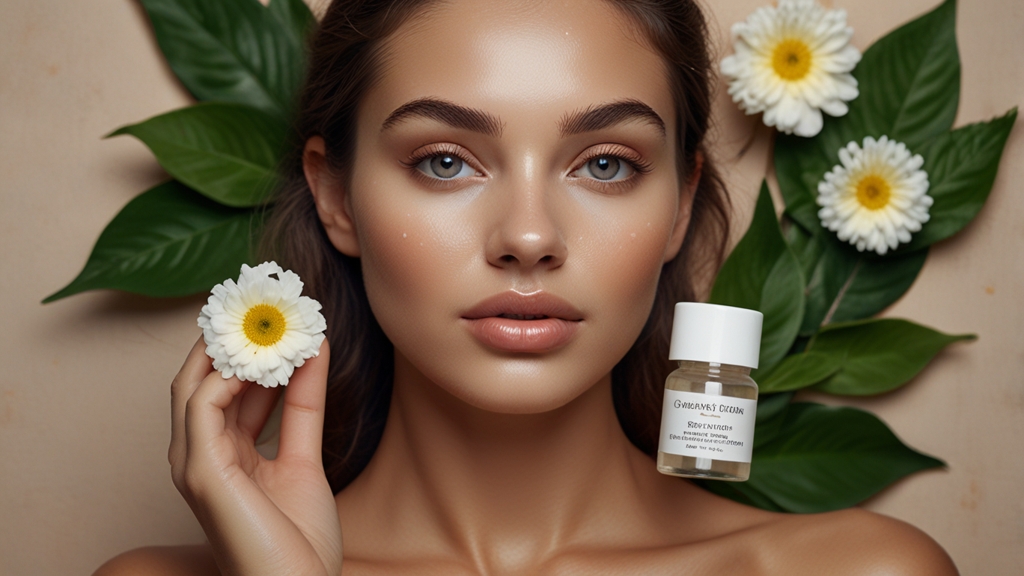
How to Stay Hydrated for Better Skin: Your Complete Guide to a Glowing Complexion
We’ve all heard the advice: drink more water for better skin. But is it really that simple? The truth is, hydration plays a crucial role in maintaining healthy, radiant skin, and understanding how to properly hydrate can transform your complexion from the inside out. In this guide, we’ll explore the science behind skin hydration and share practical tips to help you achieve that coveted healthy glow.
Why Hydration Matters for Your Skin
Your skin is your body’s largest organ, and like every other organ, it needs adequate water to function properly. When you’re dehydrated, your skin becomes tight, flaky, and more prone to wrinkles. Hydration helps maintain skin elasticity, supports the natural detoxification process, and keeps your complexion looking plump and youthful.
Water is essential for maintaining skin barrier function, which protects your skin from environmental pollutants and prevents moisture loss. When your skin is well-hydrated, it can better regulate oil production, reduce inflammation, and heal more efficiently. This means fewer breakouts, less redness, and a smoother overall appearance.
How Much Water Should You Drink?
The classic recommendation of eight glasses a day is a good starting point, but your individual needs may vary. Factors like climate, activity level, diet, and skin type all influence how much water you need. As a general rule, aim to drink enough water so that you rarely feel thirsty, and your urine is light in color.
A practical approach is to drink about half your body weight in ounces of water daily. For example, if you weigh 150 pounds, aim for about 75 ounces of water per day. However, if you exercise regularly, live in a hot climate, or have dry skin, you may need to increase this amount. Listen to your body and adjust accordingly.
The Best Ways to Stay Hydrated Throughout the Day
Drinking water consistently throughout the day is more effective than trying to chug large amounts at once. Here are practical strategies to maintain steady hydration:
- Start your day with water: Drink a glass of water immediately after waking up. Your body has been without fluids for eight hours, and rehydrating first thing jumpstarts your metabolism and skin renewal process.
- Keep a water bottle with you: Carry a refillable water bottle throughout the day as a constant reminder. Investing in an insulated bottle keeps your water cold and refreshing, making you more likely to drink regularly.
- Drink water before, during, and after exercise: Physical activity increases fluid loss through sweat, so hydrate before your workout, sip water during exercise, and rehydrate afterward to replenish lost fluids.
- Set hourly reminders: Use your phone or a hydration app to remind you to drink water every hour. This habit-forming technique helps ensure consistent intake throughout the day.
- Drink water with meals: Having a glass of water with breakfast, lunch, and dinner helps you stay hydrated while supporting digestion and nutrient absorption.
- Infuse your water: If plain water feels boring, add natural flavors like lemon, cucumber, berries, or mint. This makes hydration more enjoyable without adding calories or sugar.
Hydrating Foods for Extra Skin Benefits
Water intake doesn’t have to come exclusively from drinking water. Many foods are naturally high in water content and provide additional skin-boosting nutrients. Incorporating these hydrating foods into your diet can enhance your skin health:
- Cucumbers: About 96% water, cucumbers also contain antioxidants and flavonoids that reduce irritation and swelling.
- Watermelon: With 92% water content and lycopene, watermelon hydrates while protecting skin from sun damage.
- Strawberries: These berries are 91% water and packed with vitamin C, which supports collagen production for firmer skin.
- Spinach and leafy greens: High in water and rich in vitamins A, C, and K, they support skin repair and regeneration.
- Tomatoes: About 95% water and containing lycopene, tomatoes provide hydration plus photoprotection for your skin.
- Coconut water: While not a food, coconut water contains electrolytes that help your body retain hydration better than plain water alone.
Beyond Drinking Water: External Hydration
While internal hydration is fundamental, external skincare hydration is equally important. Your skin’s outer layer needs moisture to maintain its barrier function and appearance. Complement your water intake with a solid hydration-focused skincare routine:
Use a hydrating cleanser: Avoid harsh, stripping cleansers that remove natural oils. Opt for gentle, hydrating formulas that cleanse without compromising your skin barrier.
Apply moisturizer to damp skin: After cleansing, apply moisturizer while your skin is still slightly damp. This helps lock in hydration and prevents water loss from your skin.
Incorporate hydrating serums: Look for serums containing hyaluronic acid, glycerin, or niacinamide. These ingredients attract and hold water in your skin, providing an extra hydration boost.
Use a hydrating mask: Once or twice weekly, treat your skin to a hydrating face mask. Sheet masks, gel masks, or creamy hydrating masks can deliver an intensive moisture boost.
Common Hydration Mistakes to Avoid
Understanding what not to do is just as important as knowing what to do. Avoid these common hydration mistakes that may be sabotaging your skin:
- Drinking excessive caffeine and alcohol, which are diuretics that increase fluid loss
- Waiting until you’re thirsty to drink water—thirst is a late indicator of dehydration
- Consuming sugary beverages instead of water, which can actually dehydrate you and harm your skin
- Neglecting to adjust water intake based on seasonal changes and climate
- Only hydrating externally without addressing internal hydration needs
Seeing Results: Timeline and Expectations
Patience is key when improving your skin through hydration. While some people notice improvements within a few days, visible changes typically take two to four weeks. You may first notice that your skin feels softer and smoother, then gradually see a reduction in fine lines, improved texture, and a more radiant complexion.
For more detailed information about skin health and hydration, check out Mayo Clinic’s comprehensive guide on water and hydration.
Final Thoughts
Staying hydrated for better skin doesn’t require complicated routines or expensive products. By drinking adequate water, eating hydrating foods, and supporting your skin with a proper moisturizing routine, you can achieve the healthy, glowing complexion you desire. Remember, consistency is more important than perfection—make hydration a daily habit, and your skin will thank you with a radiant, youthful appearance that truly glows from within.