
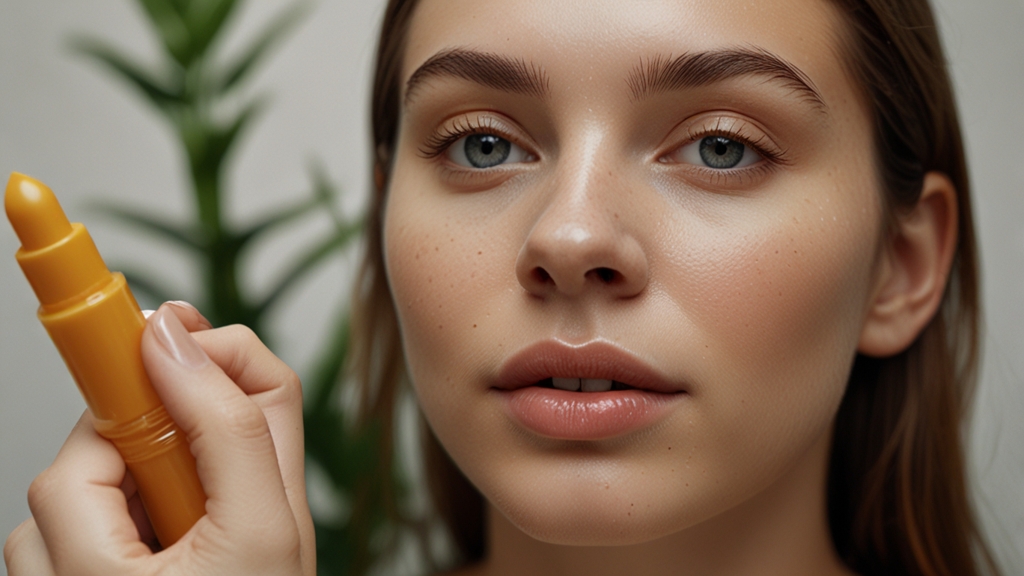
The Radiant Skin Secret: Benefits of Intermittent Fasting for Your Complexion
If you’ve been scrolling through beauty and wellness blogs lately, you’ve probably encountered the term “intermittent fasting” more than once. While many people associate this eating pattern with weight management and metabolic health, its benefits extend far beyond the scale. In fact, intermittent fasting can be a game-changer for your skin health and appearance. Let’s explore how this increasingly popular lifestyle practice can help you achieve that coveted healthy glow.
Understanding Intermittent Fasting
Before diving into the skin benefits, let’s clarify what intermittent fasting actually means. Intermittent fasting (IF) is an eating pattern that cycles between periods of eating and fasting. Rather than focusing on what you eat, IF emphasizes when you eat. Popular methods include the 16/8 protocol (fasting for 16 hours and eating within an 8-hour window), the 5:2 diet (eating normally five days and restricting calories two days), or alternate-day fasting.
The beauty of intermittent fasting lies in its simplicity and flexibility. You’re not necessarily cutting calories or eliminating foods; you’re simply changing the timing of your meals. This shift in eating patterns triggers several physiological changes that can have remarkable effects on your skin.
Enhanced Cellular Repair and Regeneration
One of the most significant benefits of intermittent fasting for skin health is the activation of autophagy, a cellular cleaning process. During fasting periods, your body essentially goes into maintenance mode, repairing damaged cells and removing cellular waste. This process is particularly beneficial for your skin, as it helps eliminate damaged skin cells and promotes the production of new, healthy ones.
When autophagy is activated, your skin cells become more efficient at repairing themselves, which can lead to improved skin texture, reduced appearance of fine lines, and a more youthful complexion overall. Think of it as a deep cleaning from the inside out.
Reduced Inflammation and Clearer Skin
Chronic inflammation is a major culprit behind many skin problems, including acne, rosacea, and eczema. Intermittent fasting has been shown to reduce inflammatory markers in the body. By giving your digestive system regular breaks, you’re allowing your body to focus on reducing systemic inflammation rather than constantly processing food.
This reduction in inflammation can translate directly to your skin. Many people who adopt intermittent fasting report clearer, calmer complexions within just a few weeks. The constant state of calm in your body creates a more peaceful environment for your skin to thrive.
Better Hormonal Balance
Hormonal fluctuations are a well-known trigger for skin issues, particularly acne and sensitivity. Intermittent fasting can help regulate hormones like insulin, cortisol, and growth hormone. When insulin levels are stable, your skin is less likely to overproduce sebum, which often leads to breakouts and oily skin.
Additionally, intermittent fasting may help balance cortisol levels, your body’s primary stress hormone. Since stress and cortisol surges are notorious for triggering skin inflammation and acne, bringing these hormones into equilibrium can have wonderful effects on your complexion.
Improved Blood Flow and Natural Radiance
During intermittent fasting, your body becomes more efficient at delivering oxygen and nutrients throughout your system, including to your skin. This improved circulation means your skin cells receive better nourishment and can function more optimally. The result? A natural, healthy glow that no highlighter can truly replicate.
Better blood flow also means improved lymphatic drainage, which helps reduce puffiness and promotes a more lifted, refreshed appearance.
Increased Growth Hormone Production
Intermittent fasting stimulates the production of human growth hormone (HGH), which plays a crucial role in skin elasticity, thickness, and overall youthfulness. HGH helps maintain collagen and elastin levels in your skin, two proteins essential for keeping your complexion firm and supple.
By naturally boosting your body’s HGH production through fasting, you’re supporting your skin’s structural integrity and promoting a more youthful appearance without invasive procedures or expensive treatments.
Practical Tips for Starting Your Intermittent Fasting Journey
Ready to give intermittent fasting a try for skin benefits? Here are some practical tips to get you started:
- Start gradually: Don’t jump into a 16-hour fast immediately. Begin with a 12-hour fasting window and gradually extend it as your body adapts. This approach helps prevent fatigue, irritability, and other adjustment symptoms.
- Stay hydrated: Drink plenty of water during fasting periods. Hydration is crucial for skin health and helps your body process toxins more efficiently.
- Nourish your body during eating windows: Focus on nutrient-dense, whole foods rather than processed options. Your skin’s health directly reflects your nutritional intake, so prioritize foods rich in antioxidants, healthy fats, and proteins.
- Be consistent: Results take time. Give intermittent fasting at least 4-6 weeks before expecting noticeable skin improvements. Consistency is key to allowing your body to adapt and reap the benefits.
- Don’t obsess over perfection: Missing a fast or having an irregular schedule occasionally won’t derail your progress. The goal is to establish a sustainable pattern that works for your lifestyle.
- Combine with a solid skincare routine: While intermittent fasting works from the inside out, maintain a good external skincare regimen. Cleanse, moisturize, and use sun protection daily for optimal results.
- Listen to your body: If you experience dizziness, extreme hunger, or other concerning symptoms, adjust your fasting protocol or consult with a healthcare professional.
Important Considerations
While intermittent fasting can offer impressive skin benefits, it’s not suitable for everyone. Pregnant or breastfeeding women, individuals with a history of eating disorders, and those with certain medical conditions should consult their healthcare provider before starting any fasting regimen. For more detailed information about intermittent fasting and its effects on health, Mayo Clinic provides comprehensive guidance on intermittent fasting protocols and considerations.
The Bottom Line
Intermittent fasting represents a holistic approach to skin health, working at the cellular level to promote repair, reduce inflammation, and balance hormones. By giving your body regular breaks from digestion, you’re allowing it to invest energy into maintenance and renewal—including the renewal of your skin.
Whether you’re dealing with acne, dullness, sensitivity, or simply want to maintain a youthful glow, intermittent fasting might be the skin-transforming tool you’ve been searching for. Remember, the most beautiful skin comes from taking care of yourself from the inside out.