
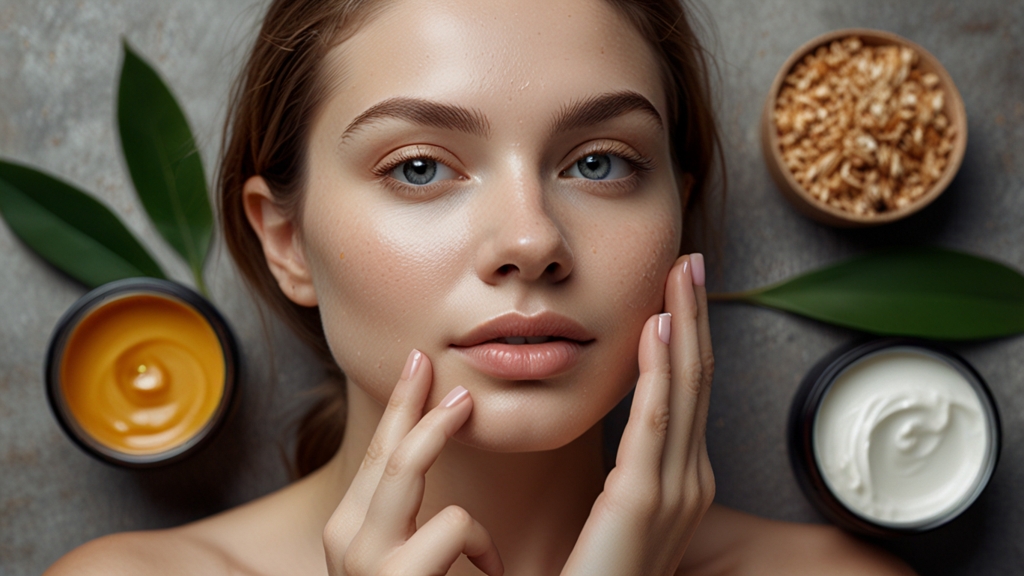
Benefits of Intermittent Fasting for Skin: A Complete Guide
If you’ve been scrolling through health and beauty forums lately, you’ve probably heard about intermittent fasting (IF) and its transformative effects on skin health. While many people adopt intermittent fasting for weight management and metabolic benefits, its impact on skin clarity and radiance is equally impressive. In this article, we’ll explore how this eating pattern can revolutionize your skin health from the inside out, and provide practical tips to get you started.
What Is Intermittent Fasting?
Intermittent fasting is an eating pattern that cycles between periods of eating and fasting. Rather than focusing on what you eat, it emphasizes when you eat. Popular methods include the 16/8 approach (fasting for 16 hours and eating within an 8-hour window), the 5:2 diet (eating normally five days a week and restricting calories two days), and eat-stop-eat (24-hour fasts once or twice weekly).
According to Healthline’s comprehensive guide on intermittent fasting, this practice triggers various cellular processes that can significantly benefit your skin’s appearance and health.
How Intermittent Fasting Improves Skin Health
1. Enhances Cellular Autophagy
One of the most exciting benefits of intermittent fasting is its activation of autophagy—a cellular cleaning process where your body removes damaged cells and regenerates new ones. During fasting periods, your cells become more efficient at clearing out toxins and damaged components. This process is particularly beneficial for skin cells, as it promotes the removal of senescent (aging) cells and encourages the production of fresh, healthy skin cells. The result is a more youthful, glowing complexion.
2. Reduces Inflammation
Chronic inflammation is a major culprit behind acne, rosacea, psoriasis, and premature aging. Intermittent fasting has been shown to reduce inflammatory markers in the body. When you fast, your body decreases inflammation levels, which translates directly to calmer, clearer skin. This is particularly beneficial for those struggling with inflammatory skin conditions.
Research from WebMD indicates that intermittent fasting can help regulate cortisol levels and reduce systemic inflammation throughout the body.
3. Balances Hormones
Hormonal imbalances are a common cause of adult acne and skin irregularities. Intermittent fasting helps regulate insulin levels and other hormones that influence skin health. By stabilizing blood sugar levels through controlled eating windows, you can reduce the hormonal fluctuations that trigger breakouts and skin flare-ups. This hormonal balance is especially beneficial for women experiencing hormonal acne.
4. Improves Blood Circulation
Better circulation means more oxygen and nutrients reach your skin cells. Intermittent fasting promotes improved blood flow by reducing insulin resistance and enhancing vascular function. Enhanced circulation delivers essential nutrients and removes metabolic waste more efficiently, resulting in a natural, healthy glow.
5. Boosts Collagen Production
During fasting periods, your body activates growth hormone production, which plays a crucial role in collagen synthesis. Collagen is the protein responsible for skin elasticity and firmness. Increased collagen production through intermittent fasting can help reduce fine lines, improve skin texture, and maintain that coveted youthful appearance.
6. Reduces Oxidative Stress
Fasting triggers the production of antioxidants and increases the activity of antioxidant enzymes in your body. These natural defenders protect skin cells from free radical damage, which contributes to aging and skin damage. By reducing oxidative stress, intermittent fasting helps prevent premature aging and maintains skin vitality.
7. Supports Detoxification
Your body’s detoxification systems work more efficiently during fasting periods. The liver and kidneys can focus on eliminating toxins and waste products that might otherwise manifest as skin problems. Clearer skin often follows as these toxins are removed from your system rather than being expelled through your skin.
Practical Tips for Starting Intermittent Fasting
Begin Gradually
Don’t jump into a 16/8 fasting schedule immediately. Start with a 12-hour fast (which you likely already do while sleeping) and gradually extend your fasting window by an hour every few days until you reach your desired fasting length. This gradual approach helps your body adapt and minimizes potential side effects.
Stay Hydrated
During fasting periods, drink plenty of water, herbal tea, and black coffee (without additives). Hydration is essential for skin health and helps suppress hunger during fasting windows. Aim for at least eight glasses of water daily, as dehydration can actually worsen skin conditions.
Eat Nutrient-Dense Foods
When you do eat, make every calorie count. Focus on whole foods rich in vitamins, minerals, and antioxidants. Include plenty of:
- Leafy greens and colorful vegetables
- Fatty fish rich in omega-3 fatty acids
- Nuts, seeds, and healthy oils
- Berries and antioxidant-rich fruits
- Lean proteins and legumes
These nutrient-dense foods will provide the building blocks your skin needs to thrive.
Maintain Consistent Sleep
Sleep is when your body performs most of its cellular repair and regeneration. Aim for 7-9 hours of quality sleep per night to maximize the skin benefits of intermittent fasting. Poor sleep can negate many of IF’s benefits, so prioritize your rest.
Protect Your Skin Daily
While intermittent fasting works from within, don’t neglect external skincare. Continue using a gentle cleanser, moisturizer appropriate for your skin type, and most importantly, sunscreen with at least SPF 30. Mayo Clinic recommends maintaining a consistent skincare routine alongside any dietary changes.
Monitor Your Results
Keep track of your skin’s progress. Take photos weekly and note any improvements in clarity, texture, breakouts, or overall radiance. Results typically become noticeable within 4-8 weeks, though this varies by individual.
Important Considerations
While intermittent fasting offers numerous benefits, it’s not suitable for everyone. Pregnant women, those with a history of eating disorders, and people with certain medical conditions should consult their healthcare provider before starting IF. Additionally, some people may experience temporary skin issues like increased breakouts during the initial adaptation phase—this is typically temporary as your body adjusts.
Conclusion
Intermittent fasting represents a powerful, science-backed approach to improving skin health. By triggering cellular repair processes, reducing inflammation, balancing hormones, and supporting detoxification, IF can help you achieve the clear, radiant skin you’ve always wanted. Combined with consistent external skincare, proper nutrition, and adequate sleep, intermittent fasting can be a game-changer for your complexion. Start slowly, listen to your body, and be patient—your skin will thank you!