
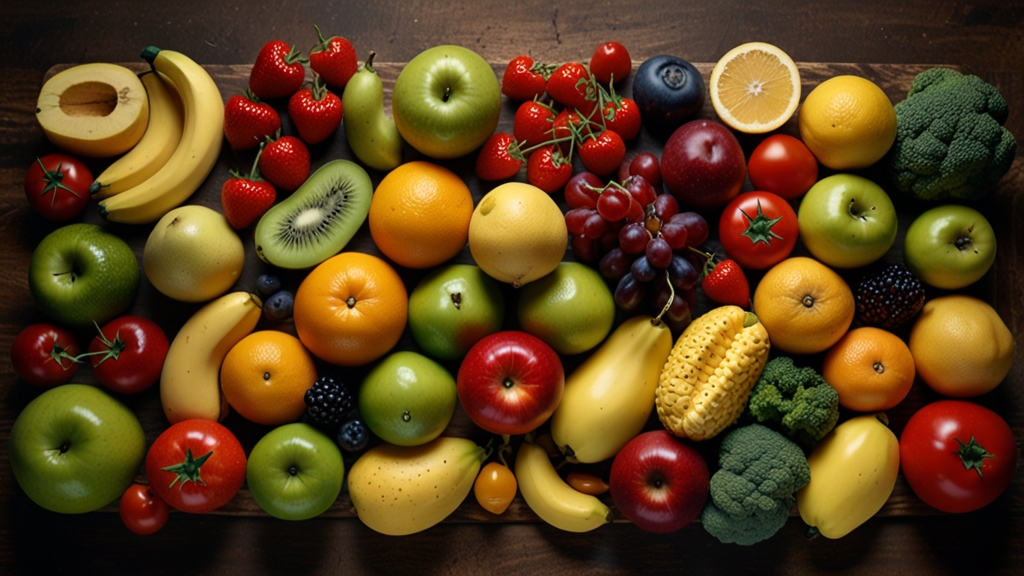
How to Reduce Inflammation with Diet
Inflammation is a natural response from our body’s immune system, but when it becomes chronic, it can lead to various health issues including joint pain, digestive problems, and even accelerate aging. The good news? Your diet plays a powerful role in managing inflammation levels. By making strategic food choices, you can significantly reduce inflammation and support your overall health and beauty from the inside out. Let’s explore how to harness the power of anti-inflammatory eating.
Understanding Inflammation and Diet
Before diving into specific foods, it’s important to understand the connection between what we eat and inflammation in our bodies. Certain foods trigger inflammatory responses, while others actively work to calm inflammation. Ultra-processed foods high in refined sugars and unhealthy fats can increase inflammatory markers in your blood. Conversely, whole foods rich in antioxidants and omega-3 fatty acids help suppress inflammation naturally. When you consistently choose anti-inflammatory foods, you’re essentially giving your body the tools it needs to heal and maintain optimal health.
Top Anti-Inflammatory Foods to Incorporate
The foundation of an anti-inflammatory diet includes foods that are nutrient-dense and rich in protective compounds. Here are the powerhouse foods you should prioritize:
- Fatty Fish: Salmon, sardines, and mackerel are loaded with omega-3 fatty acids, which are among the most potent anti-inflammatory compounds. Aim to eat fatty fish at least twice weekly for optimal benefits.
- Berries: Blueberries, strawberries, and raspberries contain anthocyanins and other antioxidants that combat inflammation at the cellular level. They’re also delicious and versatile for snacking or adding to breakfast.
- Leafy Greens: Spinach, kale, and other dark leafy greens are packed with vitamin K and antioxidants. They’re excellent in salads, smoothies, or sautéed as a side dish.
- Olive Oil: Extra virgin olive oil contains oleocanthal, a compound with effects similar to anti-inflammatory medications. Use it for dressings and low-heat cooking.
- Nuts and Seeds: Almonds, walnuts, and flaxseeds provide healthy fats and minerals that help reduce inflammation. A small handful daily can make a difference.
- Colorful Vegetables: Bell peppers, broccoli, and carrots contain vitamin C and antioxidants that protect against inflammatory damage.
- Turmeric: This golden spice contains curcumin, one of the most researched anti-inflammatory compounds. Adding it to curries, rice dishes, or golden milk can boost your anti-inflammatory efforts.
- Ginger: Fresh ginger has similar anti-inflammatory properties to turmeric and adds wonderful flavor to meals and beverages.
Foods to Limit or Avoid
While adding anti-inflammatory foods is important, reducing inflammatory triggers is equally crucial. Be mindful of limiting these foods:
- Refined Carbohydrates: White bread, pastries, and sugary cereals spike blood sugar and promote inflammation.
- Added Sugars: Sodas, candy, and desserts are major inflammation culprits. Even seemingly healthy options like flavored yogurts can contain excessive sugar.
- Processed Oils: Vegetable and soybean oils are high in omega-6 fatty acids, which can promote inflammation when consumed in excess. Choose olive or coconut oil instead.
- Processed Meats: Bacon, sausage, and deli meats contain inflammatory compounds from processing and preservation methods.
- Alcohol: While moderate consumption may be okay, excessive alcohol increases inflammation markers.
- Trans Fats: Found in many baked goods and fried foods, trans fats are particularly inflammatory.
Practical Tips for Implementation
Knowing which foods to eat is one thing; actually incorporating them into your daily routine is another. Here are some practical strategies to make anti-inflammatory eating sustainable:
Plan Your Meals: Dedicate time each week to plan meals that center around anti-inflammatory ingredients. This prevents impulsive choices and ensures you’re prepared with healthy options.
Stock Your Pantry: Keep staples like olive oil, nuts, seeds, canned fish, and spices readily available. When healthy ingredients are accessible, you’re more likely to use them.
Start Small: Don’t overhaul your entire diet overnight. Begin by replacing one meal per day with anti-inflammatory options, then gradually expand from there.
Prepare in Batches: Cook grains, roasted vegetables, and lean proteins in advance. Having prepared components makes assembling quick, healthy meals much easier during busy weekdays.
Experiment with Recipes: Anti-inflammatory eating doesn’t mean boring food. Explore new recipes featuring turmeric, ginger, and herbs like oregano and rosemary to keep meals exciting.
The Beauty Connection
Beyond internal health, an anti-inflammatory diet directly impacts your appearance. Chronic inflammation can worsen acne, trigger flare-ups in conditions like eczema and psoriasis, and accelerate skin aging. By reducing inflammation through diet, you may notice clearer, more radiant skin, healthier hair, and stronger nails. Many people report that they look more youthful and energetic after committing to anti-inflammatory eating—all without expensive treatments or procedures.
Hydration and Additional Factors
While diet is crucial, remember that other lifestyle factors contribute to inflammation levels. Stay well-hydrated, aim for seven to nine hours of sleep nightly, and engage in regular physical activity. Stress management through meditation or yoga also helps reduce inflammation. For more comprehensive information about inflammation and diet, Mayo Clinic provides evidence-based guidance on anti-inflammatory nutrition.
Final Thoughts
Reducing inflammation through diet is one of the most empowering changes you can make for your health and beauty. It’s not about perfection or restriction—it’s about consistently nourishing your body with whole, nutrient-dense foods while limiting inflammatory triggers. The transformation doesn’t happen overnight, but with patience and commitment, you’ll likely notice improvements in energy levels, skin clarity, joint mobility, and overall well-being. Start today by adding one anti-inflammatory food to your next meal, and build from there. Your future self will thank you for the investment in your health.