
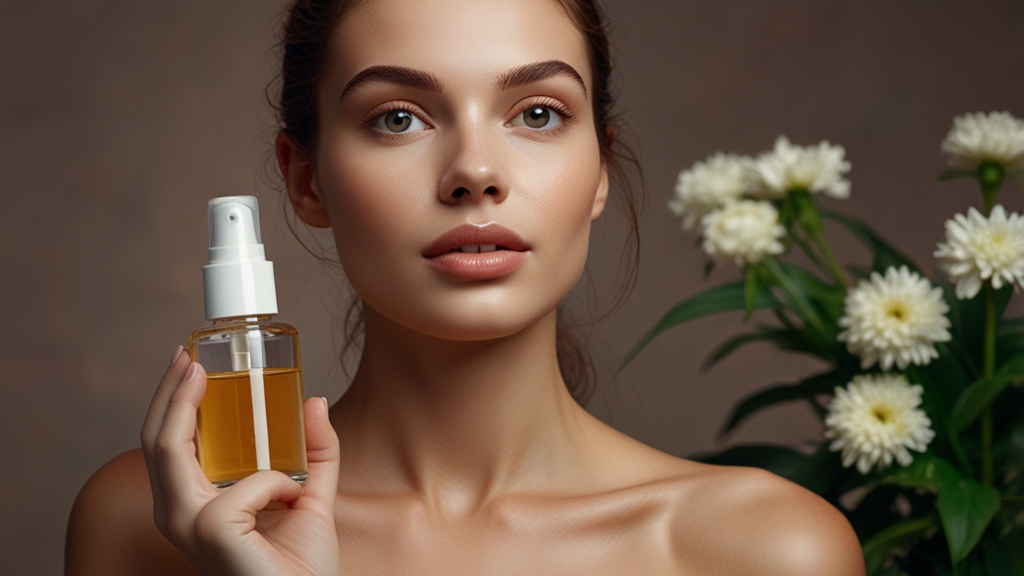
How to Treat Acne Naturally at Home
Acne can be frustrating and affect your confidence, but the good news is that you don’t always need expensive treatments or prescription medications to manage it. Many effective natural remedies are hiding in your kitchen or can be easily incorporated into your daily skincare routine. In this guide, we’ll explore practical and scientifically-backed methods to treat acne naturally at home.
Understanding Your Acne
Before diving into treatments, it’s important to understand what causes acne. Acne typically develops when hair follicles become clogged with dead skin cells and sebum (the natural oil your skin produces). Bacteria can then colonize these clogged pores, leading to inflammation and those pesky breakouts. While hormones, genetics, and certain medications play a role, lifestyle factors and skincare habits can significantly impact your skin’s condition.
Establish a Consistent Skincare Routine
The foundation of treating acne naturally starts with a solid skincare routine. Consistency is key, and you don’t need expensive products to see results. Begin by washing your face twice daily with a gentle, non-comedogenic cleanser. Avoid harsh scrubs that can irritate your skin and potentially worsen acne. Pat your skin dry gently rather than rubbing, and always follow up with an oil-free moisturizer, even if your skin is oily. Many people with acne skip moisturizing because they think it will make their skin worse, but dehydrated skin can actually trigger more oil production.
Natural Remedies to Try
Tea Tree Oil
Tea tree oil is one of the most popular natural acne treatments, and for good reason. This essential oil has antimicrobial and anti-inflammatory properties that can help reduce acne-causing bacteria. However, never apply tea tree oil directly to your skin, as it’s too potent and can cause irritation. Instead, dilute a few drops in a carrier oil like coconut oil or jojoba oil before applying it to affected areas. You can also add a drop or two to your regular moisturizer.
Honey
Raw honey is a natural humectant with antibacterial properties that make it excellent for acne-prone skin. You can apply a small amount of raw honey directly to pimples or create a face mask by mixing it with other ingredients like oatmeal or lemon juice. Leave the mask on for 10-15 minutes before rinsing with warm water. Use honey at least two to three times per week for best results.
Aloe Vera
The gel inside aloe vera leaves is incredibly soothing and has been used for centuries to treat skin conditions. It contains compounds that reduce inflammation and promote healing. You can extract fresh aloe gel from a plant leaf or purchase pure aloe vera gel from your local health store. Apply it directly to affected areas or mix it into your moisturizer. Aloe vera is gentle enough to use daily and works well for sensitive, acne-prone skin.
Green Tea
Green tea is rich in antioxidants and polyphenols that help reduce sebum production and fight acne-causing bacteria. Brew a strong cup of green tea, let it cool, and use it as a toner by applying it with a cotton ball to your face. Alternatively, you can soak a green tea bag in warm water and apply it directly to pimples for 10 minutes. The anti-inflammatory benefits make this an excellent addition to your routine.
Apple Cider Vinegar
Apple cider vinegar contains acetic acid, which has antimicrobial properties. Mix one part apple cider vinegar with three parts water to create a toner, adjusting the ratio based on your skin’s sensitivity. Apply with a cotton ball after cleansing. Be cautious with this remedy, as undiluted vinegar can be too harsh and may cause redness or irritation.
Zinc Supplements and Dietary Changes
What you eat directly affects your skin. Incorporate more zinc-rich foods into your diet, such as pumpkin seeds, chickpeas, cashews, and oysters. Zinc plays a crucial role in skin healing and reducing inflammation. If dietary sources aren’t sufficient, consider a zinc supplement, but consult with a healthcare provider first to determine the right dosage for you.
Additionally, reduce your intake of inflammatory foods like refined sugars, dairy, and processed foods. Instead, focus on anti-inflammatory foods rich in omega-3 fatty acids, such as fatty fish, walnuts, and flaxseeds. Staying hydrated by drinking plenty of water also helps flush out toxins and keeps your skin healthy from the inside out.
Lifestyle Habits That Make a Difference
Natural acne treatment extends beyond topical remedies. Your lifestyle choices significantly impact your skin’s condition. Getting adequate sleep is crucial, as sleep deprivation can increase cortisol levels and trigger breakouts. Aim for seven to nine hours of quality sleep each night.
Stress management is equally important. When you’re stressed, your body produces more cortisol, which can increase oil production and worsen acne. Practice stress-reducing activities like yoga, meditation, deep breathing exercises, or regular physical activity. Even a 30-minute walk can help reduce stress and improve your overall skin health.
Don’t forget to wash your pillowcases regularly—at least twice per week. Your pillowcase accumulates bacteria, dead skin cells, and product residue that can transfer to your face and clog your pores.
When to Seek Professional Help
While natural remedies are effective for mild to moderate acne, severe or persistent acne may require professional treatment. According to Mayo Clinic, if your acne doesn’t improve after eight to ten weeks of home treatment, or if you’re experiencing significant physical discomfort or emotional distress, consult a dermatologist. They can recommend prescription treatments tailored to your specific needs.
Final Thoughts
Treating acne naturally at home is a journey that requires patience and consistency. Everyone’s skin is different, so what works for someone else might not work for you. Start with one or two natural remedies, give them at least four to six weeks to show results, and then adjust your routine as needed. Remember to be gentle with your skin, avoid over-washing or over-treating, and maintain realistic expectations. With dedication and the right approach, you can achieve clearer, healthier skin naturally.