
How to Use Retinol for Acne Treatment: A Complete Guide
If you’re struggling with acne and looking for an effective treatment, retinol might be the game-changer your skincare routine needs. This powerful ingredient has become a staple in dermatology for good reason – it’s clinically proven to reduce breakouts, minimize pores, and improve overall skin texture. But like any potent skincare ingredient, retinol requires proper knowledge and technique to use safely and effectively. Let’s explore everything you need to know about incorporating retinol into your acne treatment plan.
What Is Retinol and Why Does It Work for Acne?
Retinol is a form of vitamin A, a fat-soluble vitamin that plays a crucial role in skin cell turnover and regeneration. When applied topically, retinol works by increasing the rate at which your skin cells shed and renew themselves. This accelerated cell turnover helps prevent dead skin cells from clogging your pores, which is one of the primary causes of acne formation.
Beyond preventing clogged pores, retinol also increases collagen production, reduces sebum (oil) production, and has anti-inflammatory properties. These combined benefits make it particularly effective for both treating existing breakouts and preventing future ones. The ingredient also helps fade acne scars and post-inflammatory hyperpigmentation, making it a comprehensive solution for acne-prone skin.
Understanding Different Forms of Retinol
Not all retinol products are created equal. The retinoid family includes several different forms, each with varying strengths and effectiveness levels. Understanding these differences will help you choose the right product for your skin.
- Retinol: This is the over-the-counter form of vitamin A that’s widely available in drugstore products. It’s milder than prescription options but still effective for acne treatment.
- Retinyl Palmitate: The weakest form in the retinoid family, this is best for beginners or those with very sensitive skin.
- Retinaldehyde: A stronger option than basic retinol, this converts more efficiently to retinoic acid in your skin.
- Tretinoin (Retin-A): A prescription-strength retinoid that’s the most potent and fastest-acting option for acne treatment.
- Adapalene: A prescription retinoid that’s particularly effective for acne and often better tolerated than tretinoin.
For most people starting their retinol journey, an over-the-counter retinol product is an excellent starting point. If you don’t see results after three to six months or have severe acne, consult with a dermatologist about prescription-strength options.
How to Start Using Retinol: The Beginner’s Approach
Starting retinol correctly is essential to avoid irritation and maximize results. Your skin needs time to adjust to this powerful ingredient, so patience is key. Here’s how to introduce retinol into your routine:
Start Low and Go Slow: Begin with the lowest concentration available (typically 0.25% to 0.3% retinol) and use it just once or twice per week. After two weeks, if your skin tolerates it well, increase frequency to three times per week. Gradually work your way up to using it four to five times per week over the course of several months.
Timing Matters: Use retinol only at night, as it increases sun sensitivity. Apply it after cleansing but before moisturizer, using just a pea-sized amount. This small amount is sufficient to treat your entire face – more isn’t better and will only increase irritation risk.
Use the Sandwich Method: If you experience irritation, apply a light moisturizer to clean skin first, then apply your retinol product, and finish with another layer of moisturizer. This buffering technique reduces irritation while still allowing the retinol to work effectively.
Building Your Retinol Acne-Fighting Routine
Retinol works best as part of a comprehensive skincare routine. Here’s what your acne-fighting regimen should include:
- Gentle Cleanser: Use a non-stripping cleanser twice daily. Look for ingredients like salicylic acid or benzoyl peroxide if your acne is moderate to severe.
- Lightweight Moisturizer: This is non-negotiable when using retinol. Choose a moisturizer formulated for acne-prone skin that won’t clog pores.
- Broad-Spectrum Sunscreen (SPF 30+): Essential during the day, as retinol increases photosensitivity. Use sunscreen every single day, rain or shine.
- Retinol Product: Apply your chosen retinol product three to five nights per week as tolerance builds.
Avoid combining retinol with other potentially irritating ingredients like vitamin C, acids, or benzoyl peroxide on the same night. If you want to use these ingredients, apply them on alternate nights or consult with a dermatologist about safe combinations.
What to Expect: The Retinization Process
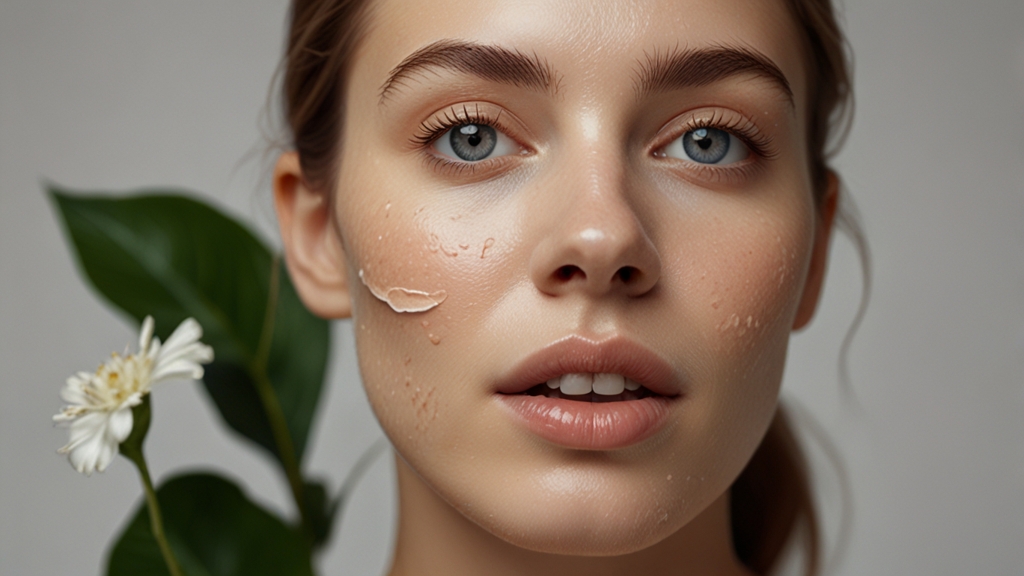
When you first start using retinol, your skin may go through an adjustment period called “retinization.” This typically lasts two to four weeks and may include increased dryness, mild redness, slight flaking, and temporary increased breakouts. Don’t panic – this is completely normal and actually a sign that the ingredient is working. Your skin is accelerating its cell turnover process.
During this adjustment period, resist the urge to quit. Instead, focus on extra hydration and gentle care. Use a humidifier in your bedroom, apply moisturizer while your skin is still damp, and consider using a hydrating sheet mask two to three times per week. If irritation becomes severe or doesn’t improve after four weeks, reduce frequency or concentration and consult a dermatologist.
Common Mistakes to Avoid
Using retinol correctly is just as important as choosing the right product. Here are common mistakes that can sabotage your results:
- Starting with too high a concentration or frequency
- Skipping sunscreen during the day
- Using retinol on wet skin (always apply to completely dry skin)
- Mixing retinol with incompatible ingredients like vitamin C or acids
- Expecting overnight results (patience is essential – give it 8 to 12 weeks minimum)
- Neglecting moisturizer, thinking retinol alone will clear acne
When to See a Dermatologist
While over-the-counter retinol is effective for mild to moderate acne, some situations warrant professional guidance. Consider consulting a dermatologist if you have severe cystic acne, persistent breakouts after eight to twelve weeks of retinol use, or if you’re pregnant or breastfeeding (retinoids may not be appropriate). A dermatologist can assess your specific situation and may recommend prescription-strength retinoids for faster, more dramatic results. For additional information on acne treatment options, Mayo Clinic provides comprehensive guidance on acne treatment approaches.
Final Thoughts
Retinol is a scientifically-backed, highly effective tool for treating acne and improving overall skin health. By starting slowly, using it consistently, and protecting your skin with proper hydration and sunscreen, you’ll be well