
How to Reduce Inflammation with Diet: A Complete Guide
Inflammation is a natural response of your body’s immune system, but when it becomes chronic, it can lead to serious health issues like heart disease, diabetes, and arthritis. The good news? What you eat plays a crucial role in managing inflammation levels. By making strategic dietary choices, you can significantly reduce chronic inflammation and improve your overall health and wellness.
Understanding Chronic Inflammation
Before diving into dietary solutions, it’s important to understand what chronic inflammation is. Unlike acute inflammation, which occurs after an injury and helps your body heal, chronic inflammation is a low-grade, ongoing inflammatory response that can persist for months or years. This type of inflammation damages your tissues and organs, contributing to various diseases. According to Healthline’s nutrition experts, many common foods we eat daily can trigger or worsen chronic inflammation.
The inflammation process is largely influenced by your lifestyle and dietary habits. When you consistently consume pro-inflammatory foods and lack anti-inflammatory nutrients, your body remains in a heightened inflammatory state. Conversely, eating an anti-inflammatory diet can help calm your immune system and reduce this destructive response.
Key Anti-Inflammatory Foods to Include
An anti-inflammatory diet focuses on whole, nutrient-dense foods that contain natural compounds to fight inflammation. Here are the foods you should be eating more of:
- Fatty Fish: Salmon, mackerel, sardines, and herring are rich in omega-3 fatty acids, which are powerful anti-inflammatory compounds. According to Mayo Clinic, omega-3s have been shown to reduce inflammatory markers in the body.
- Leafy Greens: Spinach, kale, and Swiss chard are packed with vitamins and minerals that protect your cells from inflammatory damage.
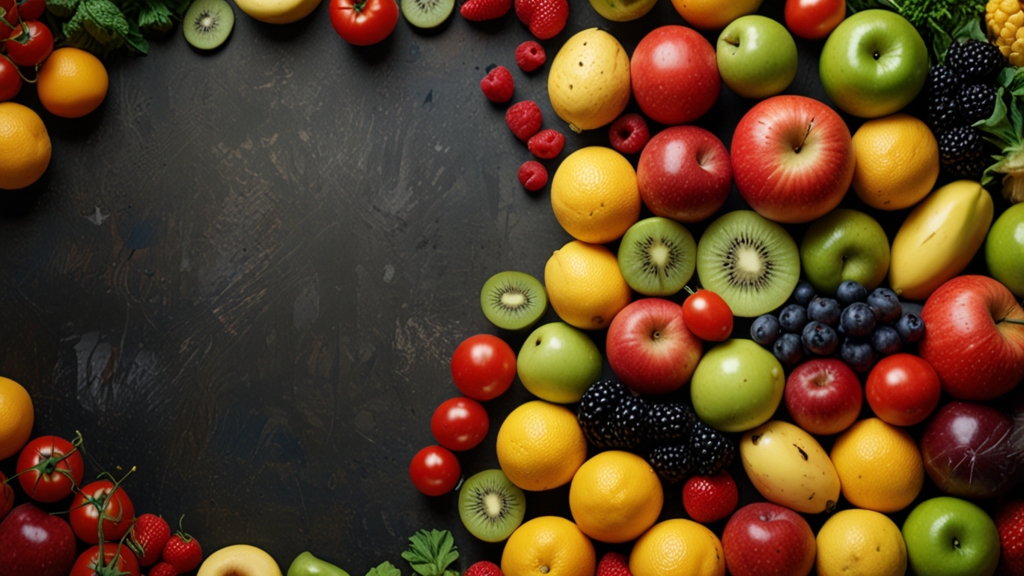
- Berries: Blueberries, strawberries, and raspberries contain anthocyanins, antioxidants that reduce inflammation and boost immune function.
- Olive Oil: Extra virgin olive oil contains oleocanthal, a compound with effects similar to anti-inflammatory medications.
- Nuts and Seeds: Almonds, walnuts, flaxseeds, and chia seeds provide omega-3s and fiber that support anti-inflammatory responses.
- Colorful Vegetables: Bell peppers, broccoli, and tomatoes contain vitamin C and other antioxidants that combat inflammation.
- Whole Grains: Brown rice, oats, and quinoa have lower inflammatory markers compared to refined grains.
- Legumes: Beans, lentils, and chickpeas offer fiber and polyphenols that reduce inflammation.
- Herbs and Spices: Turmeric, ginger, cinnamon, and garlic have potent anti-inflammatory properties.
Foods to Limit or Avoid
Just as important as eating anti-inflammatory foods is reducing your intake of pro-inflammatory foods. These items can trigger or exacerbate inflammation in your body:
- Refined Carbohydrates: White bread, pastries, and sugary cereals spike blood sugar and increase inflammatory markers.
- Processed Meats: Hot dogs, bacon, and deli meats contain compounds that promote inflammation.
- Sugary Drinks: Soda, energy drinks, and high-sugar beverages are major inflammation triggers.
- Trans Fats: Found in fried foods and many processed products, trans fats significantly increase inflammation.
- Refined Oils: Vegetable oil, canola oil, and soybean oil have high omega-6 ratios that can promote inflammation.
- Excess Alcohol: Excessive alcohol consumption can trigger inflammatory responses in your body.
Practical Tips for an Anti-Inflammatory Diet
Making the switch to an anti-inflammatory diet doesn’t have to be complicated. Here are practical strategies to get started:
Start with the Mediterranean Diet
The Mediterranean diet is one of the most researched and recommended anti-inflammatory eating patterns. It emphasizes olive oil, fish, whole grains, legumes, nuts, and plenty of vegetables. WebMD provides excellent resources on how to follow this diet effectively. This approach has been consistently shown to reduce inflammation and promote heart health.
Meal Planning and Preparation
Plan your meals ahead to ensure you’re consistently making anti-inflammatory choices. Dedicate time on weekends to prep vegetables, cook whole grains, and prepare proteins. This removes the temptation to reach for convenient, processed foods when you’re busy or tired.
Gradual Transitions
Don’t try to overhaul your entire diet overnight. Instead, make gradual substitutions. Replace one refined grain with a whole grain, swap soda for herbal tea, or add an extra serving of vegetables to one meal each day. Small, sustainable changes are more likely to become permanent habits.
Read Food Labels
Take time to understand what’s in your food. Look for hidden sugars, trans fats, and processed ingredients. The fewer ingredients a food has, and the more you can recognize them, the better choice it typically is.
Stay Hydrated
Drinking adequate water supports your body’s natural detoxification processes. Aim for at least eight glasses daily, and consider adding anti-inflammatory herbal teas like green tea or ginger tea.
Additional Lifestyle Factors
While diet is crucial, reducing inflammation also requires attention to other lifestyle factors. Regular exercise, adequate sleep, and stress management all play significant roles in controlling inflammation. Aim for at least 150 minutes of moderate-intensity exercise weekly, seven to nine hours of quality sleep, and daily stress-reduction practices like meditation or yoga.
Conclusion
Reducing inflammation through diet is one of the most powerful steps you can take for your health. By incorporating more whole foods, particularly fatty fish, leafy greens, berries, nuts, and colorful vegetables while limiting processed foods and refined sugars, you can significantly decrease chronic inflammation. Remember that dietary changes take time to show results, so be patient and consistent. Consider consulting with a registered dietitian for personalized recommendations based on your specific health needs. Your future self will thank you for making these beneficial changes today.